Project management & engineering
Learn the work. Understand the document.
Practical guides for the people who plan, design, build, control costs, supervise work and operate assets. Start with a project question, follow a real-world situation and find the document that helps you take the next step.
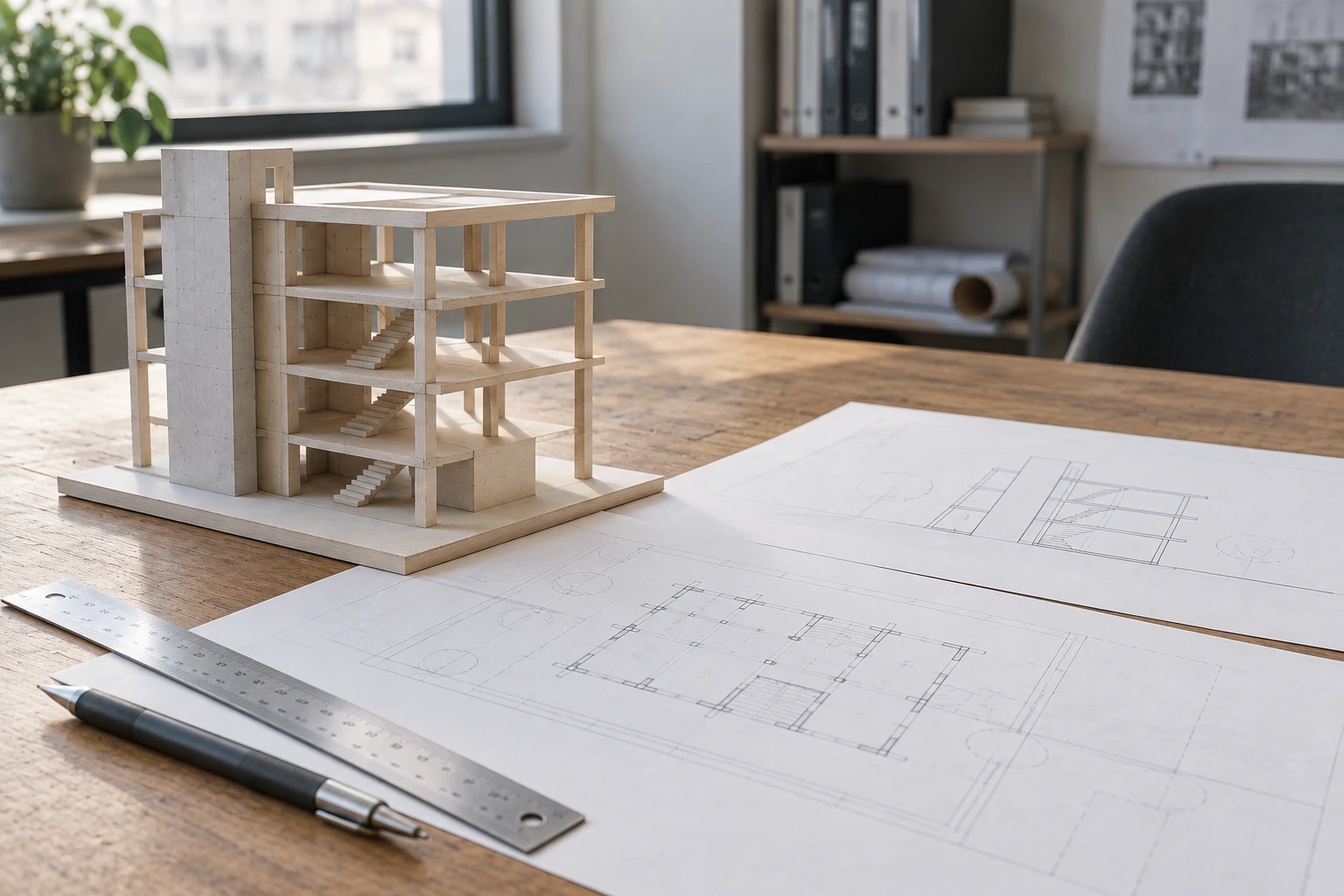
About project management
From first idea to lessons learned
Explore a topic in a few minutes, then apply it to your own project.
The route below is a learning map. Stages can overlap or repeat; planning and control continue throughout delivery. Process groups and lifecycle phases are different concepts.
From an idea to a worthwhile project
Before asking how to build, ask what needs to change. A good idea becomes a project when the team can explain the problem, compare realistic options and identify the evidence needed for an investment decision.
Read the guideStart with a shared agreement
Initiation turns an approved intention into an organized project. The team needs a common understanding of the outcome, boundaries, authority and first commitments before detailed activity begins.
Read the guideBuild a plan the team can use
Planning connects scope, sequence, resources, money and risk. A useful plan explains how the work can actually be delivered and how the team will recognize a deviation.
Read the guideTurn the plan into coordinated work
Execution is where designs, contracts, people and materials come together. Good coordination makes the next task ready, gives the team clear information and records what actually happened.
Read the guideSpot drift while there is time to act
Project control compares an agreed plan with credible evidence and forecasts the likely outcome. Reporting becomes useful when it leads to a decision, an owner and a follow-up.
Read the guideProve readiness before handing over
Completion, commissioning and handover answer different questions: is the installation complete, does it perform as intended, and can the receiving organization operate and maintain it?
Read the guideClose the project without losing obligations
Project closeout confirms what has been delivered, organizes remaining responsibilities and preserves the record. It is more than sending a final report or demobilizing the team.
Read the guideTurn experience into a better next project
A lesson becomes valuable when it changes a future action. Capture what happened, why it mattered and what another team should do differently, including practices worth repeating.
Read the guide
Engineering in practice
Work across disciplines
Good projects connect people, information and technical decisions.
Help the project team work together
A project team combines people with different expertise and authority. Clear interfaces allow engineers, planners, cost specialists, supervisors and operations staff to contribute without duplicating or dropping work.
Read the guideUnderstand engineering as connected decisions
Engineering turns a need into a solution that can be designed, delivered, operated and eventually renewed or retired. The important work lies both within disciplines and at their interfaces.
Read the guideCoordinate design before conflicts reach site
Design coordination keeps requirements, calculations, drawings and discipline interfaces aligned. The goal is a usable, controlled design package with a clear record of open decisions.
Read the guideMake site observations useful
Site supervision connects the approved requirements to the work being delivered. Clear observations, traceable inspections and timely decisions help the team address problems before they are concealed or repeated.
Read the guideKnow what the evidence can tell you
Surveys and condition assessments reduce uncertainty about a site or existing asset. Their value depends on a clear question, appropriate methods and honest limits on access, coverage and interpretation.
Read the guideRead, choose, apply
Read a practical guide, explore a template preview, then choose the tool suited to your project. Learning articles are available without a subscription. Template purchases and AI subscriptions are separate products.