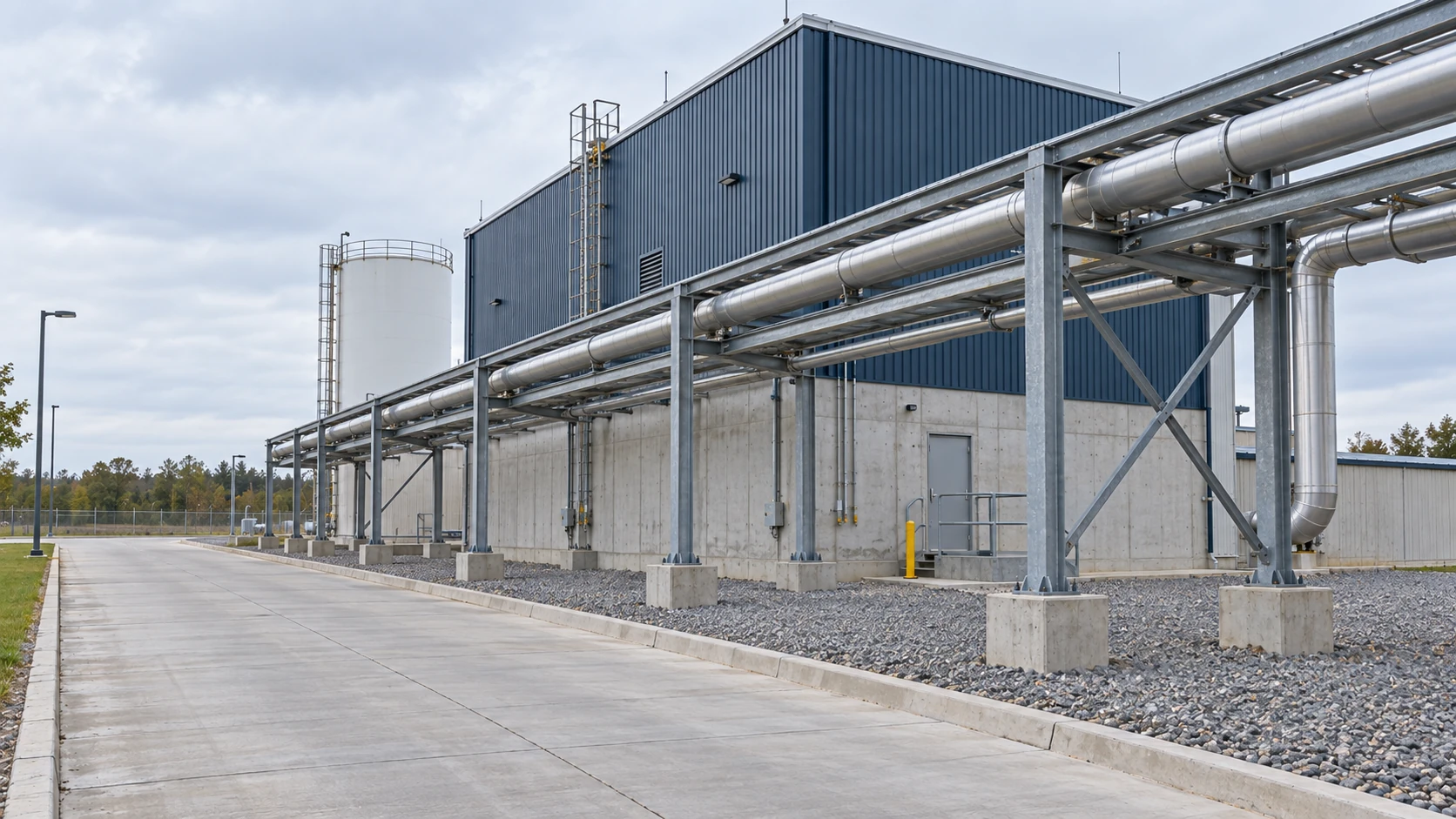
A situation you may recognize
An investor wants to reuse an industrial building. A visual walk-through identifies visible defects, but it cannot establish every hidden condition or demonstrate structural adequacy by itself.
Three practical steps
- Define the decision the investigation must support: acquisition, design, repair or further testing. Establish the asset boundary, available records, access arrangements and required specialist competence.
- Plan and record observations systematically, using locations, photographs, measurements and source references. Identify inaccessible areas and distinguish observed conditions from inferred causes.
- Explain significance, uncertainty and recommended next steps. Where conclusions depend on calculations, testing or opening-up work, specify the evidence gap rather than overstating confidence.
Who works together
Surveyors and competent discipline specialists prepare the assessment. The client provides access and records; qualified technical reviewers check conclusions within the agreed scope and local requirements.
Illustrative example
Illustrative case: cracks are observed near a warehouse extension joint. The assessment maps them and reviews available records, then recommends a focused investigation instead of declaring the entire building safe or unsafe from photographs.
A mistake to avoid
Do not turn a limited visual assessment into an unconditional statement about concealed construction or overall asset compliance.